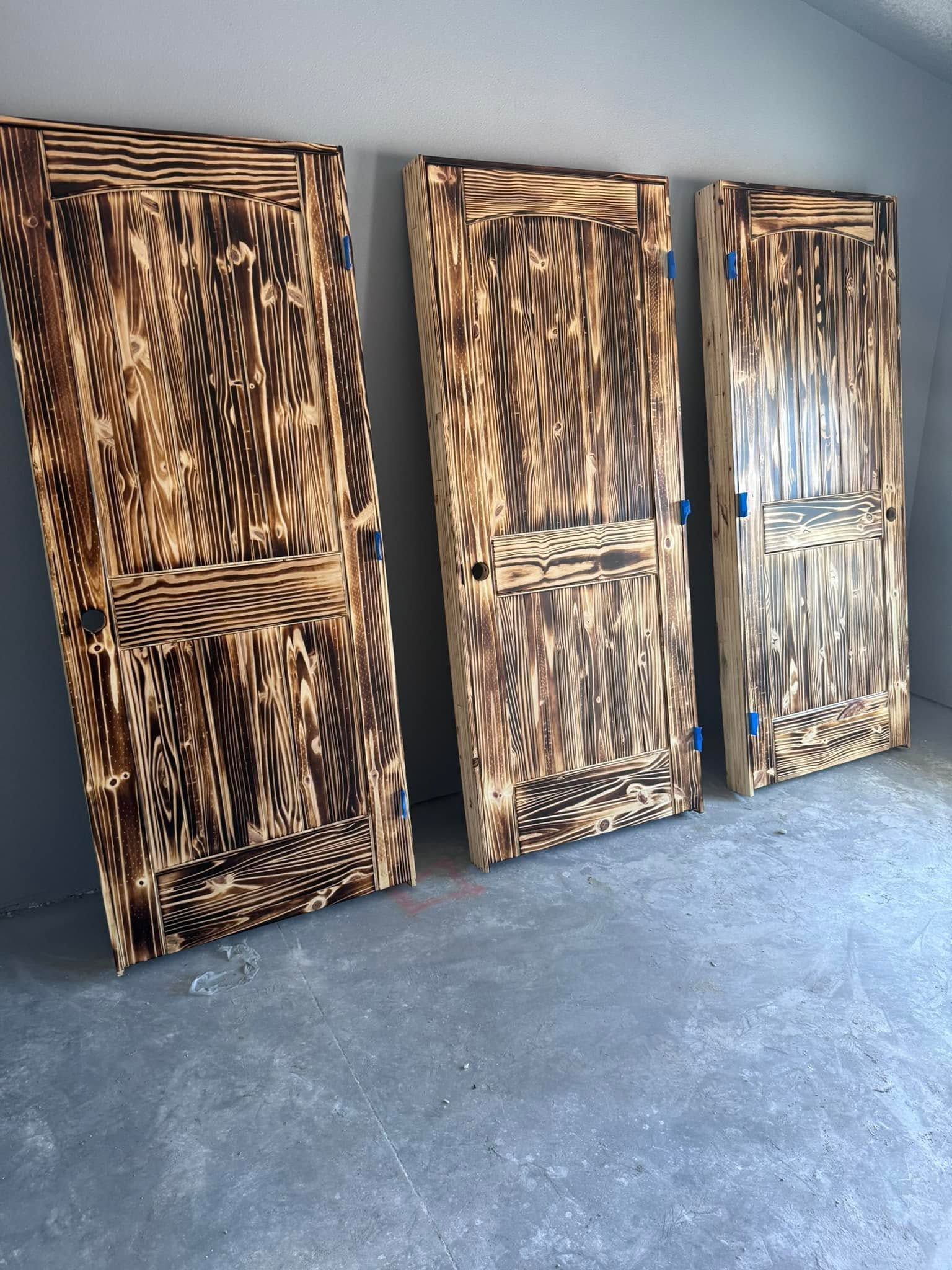
Woodwork That Stays True in Humid Conditions
Carpentry in Frostproof for finish work, framing, and structural projects where wood movement causes joints to fail
Wood moves year-round in Florida's humidity, causing warping, joint separation, and fastener failure when the wrong species or construction method is used. Central Florida Home Remodeling selects wood species and fasteners based on the humidity exposure each piece will face, not just the structural load it needs to carry. Proper wood selection and joint technique prevent the problems homeowners see in finish carpentry and framing when mainland carpentry standards are applied without adjusting for Florida's constant moisture levels.
Different wood species respond to humidity differently—some expand and contract dramatically, while others remain more stable. Finish carpentry in high-humidity areas like kitchens and bathrooms requires species that tolerate moisture without warping, along with fastening methods that allow slight movement without splitting the wood or pulling loose. Framing lumber selections also vary depending on whether the wood will be enclosed in conditioned space or exposed to attic humidity.
Schedule a project consultation to review your carpentry needs and discuss material selections for your specific application.
What Material Selection Prevents Long-Term
Carpentry work starts with selecting species and fasteners matched to the humidity exposure and structural requirements of each component. Trim and molding in conditioned spaces can use different materials than exterior trim exposed to weather, and framing in unconditioned attics requires lumber that won't warp when humidity spikes during summer. These decisions happen before any wood is cut, ensuring each piece performs as intended after installation.
Once installed and acclimated, your carpentry work remains straight and tight without the gaps, warping, or joint separation that occur when wood is allowed to move excessively. Trim stays flush to walls, doors hang square in their frames, and framing members remain straight rather than bowing or twisting as humidity cycles. Fasteners hold securely because they were sized and placed to accommodate wood movement rather than resist it.
Projects also account for finishing requirements—priming and sealing exposed wood surfaces to slow moisture absorption, pre-drilling fastener holes to prevent splitting, and allowing proper acclimation time before installation so wood is at equilibrium moisture content when it's fastened in place. Rushing these steps leads to the callbacks and adjustments that result from wood movement after the fact.
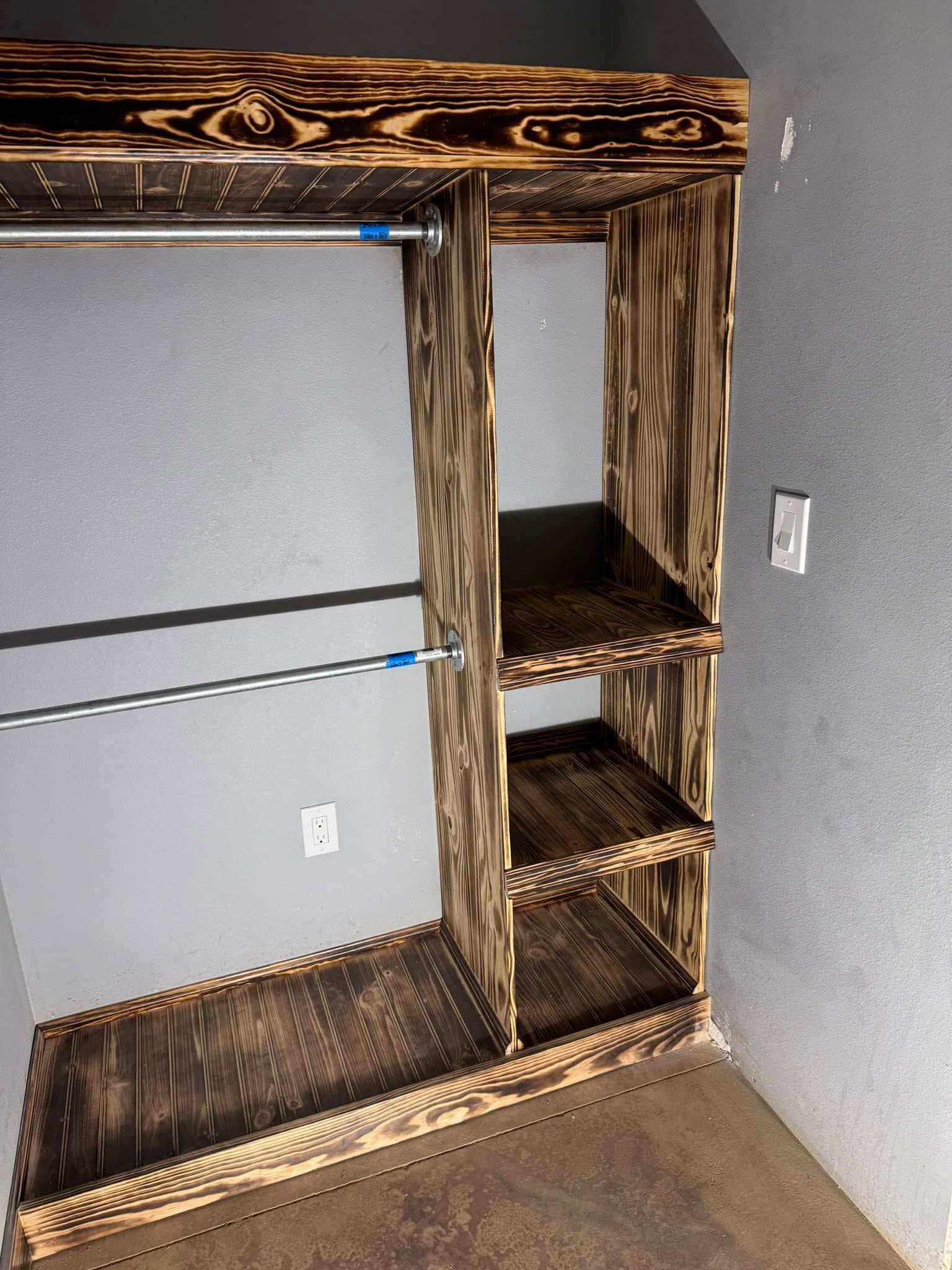
Answers to Carpentry Questions
Homeowners throughout Avon Park, Lake Wales, and the Lakes Area often want to understand why wood behaves differently in Florida and what carpentry methods prevent common failure patterns.
Why does trim pull away from walls or develop gaps over time?
Wood expands and contracts with humidity changes, and gaps form when the fastening method doesn't allow for that movement or when the wrong species was used for the humidity exposure.
What wood species work best for interior finish carpentry in Florida?
Species with lower moisture movement ratings—such as poplar for painted trim—perform better in Florida's humidity than species that expand and contract dramatically with moisture changes.
How does carpentry in conditioned space differ from unconditioned areas?
Conditioned spaces maintain steadier humidity levels, allowing a wider range of species, while unconditioned attics and exterior applications require species and fastening methods that tolerate extreme humidity swings.
What is acclimation and why does it matter before installation?
Acclimation allows wood to reach equilibrium moisture content with the installation environment, reducing movement after fastening and preventing warping or joint failure as the wood adjusts.
How are fasteners selected for carpentry work in humid conditions?
Fastener type, size, and placement are chosen to secure the wood while allowing slight movement—over-fastening or using fasteners that are too large can split wood as it expands with humidity.
Central Florida Home Remodeling approaches carpentry with material knowledge specific to Florida's year-round humidity. Call (863) 344-9911 to discuss your project and get an estimate based on the right materials for your application.