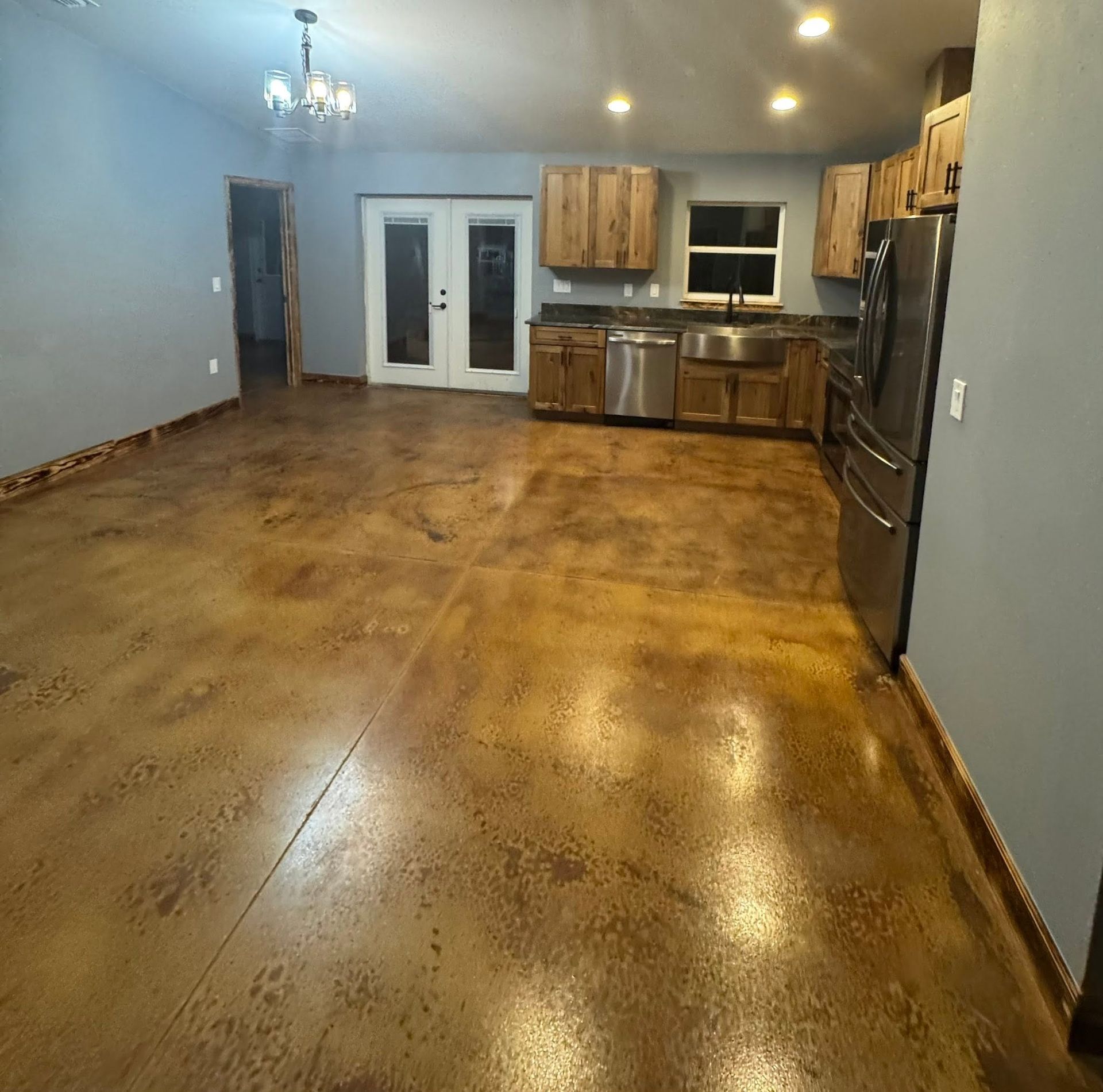
Floors Installed to Stay Flat Year-Round
Flooring Installation in Frostproof for LVP, tile, hardwood, and carpet in Florida's slab-on-grade homes
Slab-on-grade construction and Florida's humidity swings create two installation challenges that determine whether your floor stays flat or develops clicks, gaps, and buckling after the first season. Central Florida Home Remodeling handles flooring installation across Haines City, Lake Clinch Shores, and the Lakes Area with subfloor flatness checks and material acclimation protocols before any flooring goes down. LVP and hybrid flooring telegraph every high spot and dip in the slab beneath them—what looks acceptable during installation becomes a clicking, shifting surface once furniture loads the floor and seasonal humidity cycles begin. The fix happens before installation, not after you've lived with a problem floor for six months.
The installation process starts with a subfloor flatness assessment using a straightedge to identify high spots and dips, followed by grinding or leveling compound application to bring the surface within manufacturer flatness tolerances. Wood and hybrid materials are acclimated to interior humidity levels for several days before installation, then installed using the fastening or floating method appropriate for the product and subfloor type.
Request a subfloor evaluation and material recommendation based on your home's existing slab condition and humidity environment.
What Subfloor Prep Prevents After Installation
Flooring manufacturers specify flatness tolerances—typically no more than an eighth-inch variation over a ten-foot span—because floating floors like LVP rely on continuous contact with the subfloor for stability. High spots create pivot points where the floor clicks and flexes underfoot, while low spots allow the floor to bridge and gap. Grinding removes high spots, and leveling compound fills depressions, bringing the entire surface within spec before the first plank is laid.
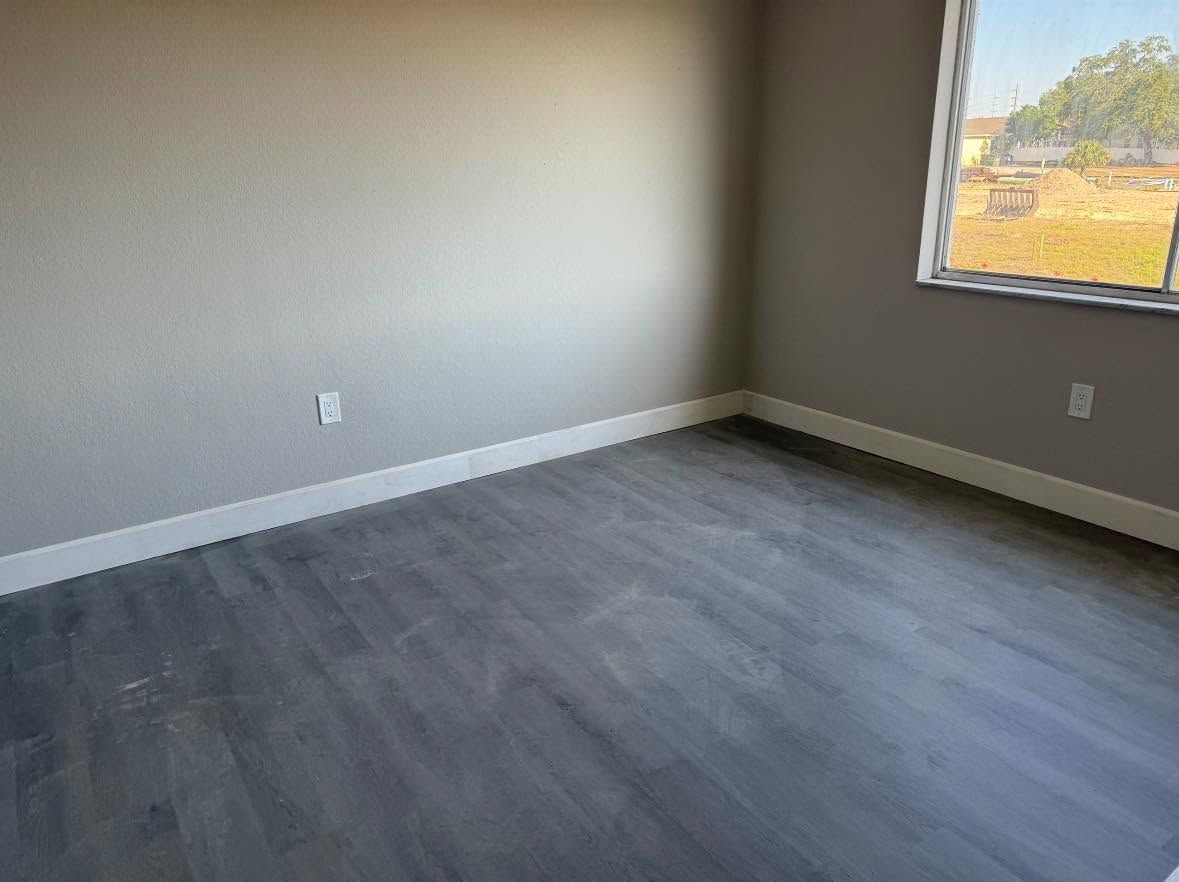
Once installation is complete, you'll walk on floors that don't click, shift, or feel spongy in traffic areas. Plank seams stay tight through humidity changes because the material was acclimated before installation, and the surface remains flat because the slab was prepped correctly. You won't see gapping at walls or buckling near doorways when Florida's summer humidity peaks.
Considerations include existing subfloor condition, whether moisture mitigation is needed on older slabs, and the specific product's installation requirements. Some hybrid and engineered wood products require underlayment or vapor barriers that aren't needed for tile or luxury vinyl. The choice of material affects prep requirements and long-term performance in Florida's humidity.
What Property Owners Usually Ask
Flooring questions come up frequently for homeowners planning installations in the Lakes Area and Central Florida communities.
What does subfloor flatness checking involve?
A long straightedge is placed across the slab in multiple directions to identify high spots and depressions. Any variation beyond manufacturer tolerances is marked for grinding or leveling compound application before flooring installation begins.
Why does flooring need to acclimate in Frostproof?
Wood and hybrid flooring materials expand and contract with humidity changes. Allowing the material to adjust to your home's interior humidity before installation prevents gapping and buckling after the floor is down and seasonal humidity shifts occur.
What causes LVP floors to click and shift after installation?
Subfloor high spots and low spots allow the floating floor to pivot and bridge instead of resting in continuous contact with the slab. The clicking sound is the locking mechanism flexing as the floor moves over an uneven surface.
Which flooring types work best in Florida homes?
LVP and tile are moisture-tolerant and perform well on slab-on-grade construction. Solid hardwood is more sensitive to humidity swings and requires careful acclimation and installation. Engineered wood offers a middle ground with better dimensional stability than solid hardwood.
What is included in flooring installation?
The work includes subfloor assessment and prep, material acclimation, installation using the appropriate method for the product, and transition trim at doorways and edges. It does not include baseboard or shoe molding replacement unless that is added to the scope.
Central Florida Home Remodeling installs flooring with moisture-aware prep and acclimation protocols matched to Florida's slab-on-grade construction. Schedule a detailed estimate that includes subfloor evaluation and material recommendations for your specific installation.